
What Time of Year Is Best for a Termite Inspection in La Jolla?
July 30, 2025
Termite Control in Solana Beach: What Every Property Owner Should Know
August 2, 2025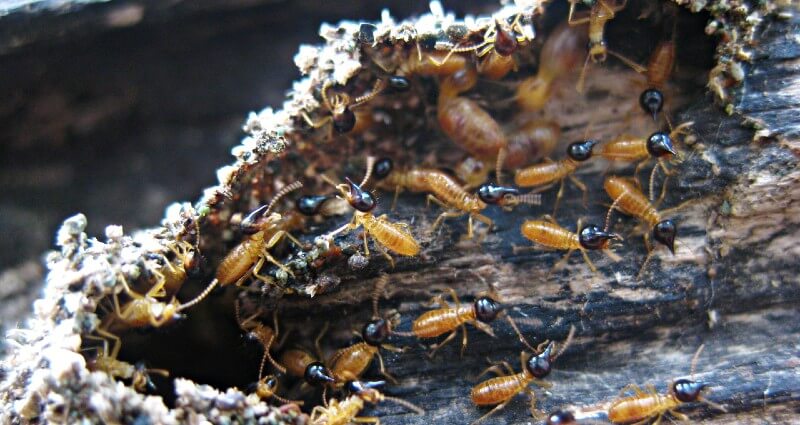
Rancho Santa Fe is known for its beautiful homes and manicured properties, but even in this serene community, homeowners aren’t immune to one of the most destructive pests in California—termites. These silent invaders can cause thousands of dollars in damage before they’re even noticed. To effectively protect your home, it’s essential to understand how termites in Rancho Santa Fe gain access in the first place.
Why Rancho Santa Fe Homes Are at Risk
With its warm climate and occasional moisture from coastal fog or irrigation systems, Rancho Santa Fe creates ideal conditions for both subterranean and drywood termites. Add in the abundance of wood-framed homes, patios, and landscaped yards, and you have the perfect environment for termite activity year-round.
1. Cracks in the Foundation
Even the smallest cracks in your foundation can serve as a superhighway for termites in Rancho Santa Fe. Subterranean termites, which live in soil, look for entry points into your home through expansion joints, settling cracks, or gaps where utility lines enter the structure. Once inside, they begin feeding on wood, often going unnoticed for months.
2. Wood-to-Soil Contact
Any part of your home or property where wood touches the soil is a prime entry point. This includes wooden porch posts, deck supports, or even wooden siding that’s too close to the ground. The soil provides the moisture termites need, while the wood offers a steady food source.
3. Crawl Spaces and Basements
Dark, damp, and often overlooked, crawl spaces and basements are perfect for termite entry and colonization. Poor ventilation, plumbing leaks, or excessive humidity in these areas can attract subterranean termites quickly. In Rancho Santa Fe, where some homes are built with crawl spaces to accommodate uneven terrain, this is a particularly important area to monitor.
4. Gaps Around Windows and Doors
Drywood termites don’t require contact with the soil. Instead, they can fly into your home during swarming season and enter through open windows, attic vents, or small cracks around doorframes. These pests target exposed wood, such as window trim, fascia boards, or eaves.
5. Roof and Attic Access Points
Termites don’t just start at the bottom of your home. Drywood termites can enter through your roof, especially if there are damaged shingles, unsealed vents, or areas where wood is exposed due to age or wear. Rancho Santa Fe homes with high-end wood features, such as beams and ceilings, are especially attractive to these pests.
6. Furniture and Wood Deliveries
Believe it or not, some infestations of termites in Rancho Santa Fe begin with infested wood furniture or construction materials brought into the home. Drywood termites can live unnoticed in furniture or lumber for months before spreading to other parts of the house.
Preventing Entry: What You Can Do
While it’s nearly impossible to seal every potential termite entry point, a few preventive measures can make a big difference:
- Keep wood structures elevated and sealed.
- Maintain good drainage and avoid excess moisture around the home’s perimeter.
- Seal visible cracks or gaps in your foundation and walls.
- Trim plants and trees so they don’t touch your home.
- Schedule regular professional inspections.
Protect Your Rancho Santa Fe Home
If you suspect signs of termite activity—such as discarded wings, hollow wood, or frass (termite droppings)—it’s time to act. Knowing where termites in Rancho Santa Fe are likely to enter can help you take a proactive stance against damage and costly repairs.
Call Hume Termite today at (760) 598-2201 to schedule a thorough home inspection and learn how to safeguard every entry point. You can also contact us here to request a consultation and begin protecting your home from the ground up.