Termites in Pacific Beach: Protecting the Wood Beneath Your Home
November 15, 2026
La Jolla Termite Control for a Safer, Stronger Home
A home’s condition depends on more than what can be seen during a quick walk-through. Beneath fresh paint, neatly finished floors, and attractive woodwork, hidden pest activity can gradually affect important building materials. Termites are particularly concerning because they can feed inside wooden structures without drawing much attention to themselves. For homeowners who want to protect their property’s value, La Jolla termite control starts with understanding where these pests hide, what attracts them, and how to respond when warning signs appear.
Look Beyond the Obvious Signs
Termites do not always announce their presence with visible damage. Some species remain inside timber, while others establish colonies in soil and reach wooden structures through concealed entry points. By the time damage becomes noticeable, the infestation may have been active for some time.
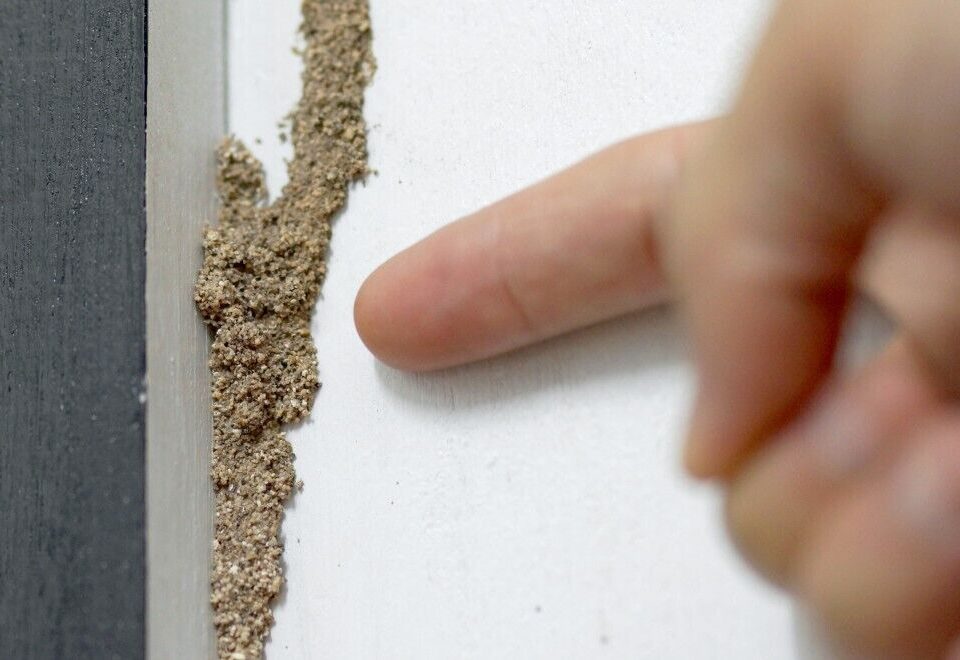
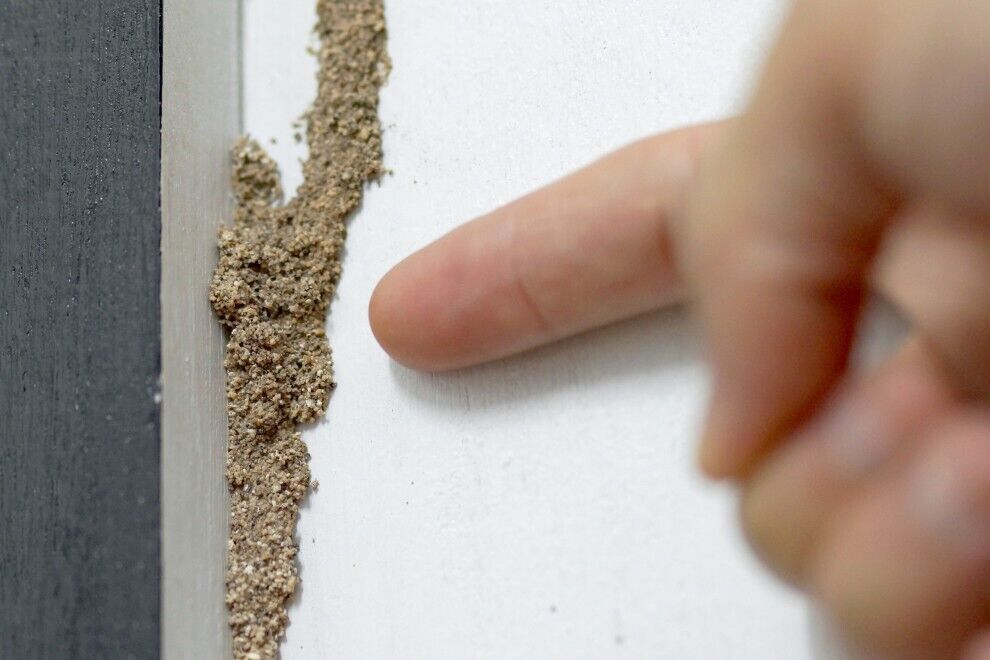
Pay attention to wood that sounds hollow, bubbling or uneven paint, damaged baseboards, and doors or windows that become difficult to open. Discarded wings near windowsills and small mud tubes along foundations can also indicate termite activity. These clues are not conclusive on their own, but they deserve closer attention.
A professional termite inspection can help determine whether the signs are related to termites or another issue, such as moisture damage. Accurate identification matters because different termite species may require different treatment strategies.
Seeking La Jolla termite control when suspicious signs first appear can help homeowners understand the extent of a possible infestation before deciding what action to take.
Understand the Conditions That Encourage Termites
Termites need suitable food sources, and many species rely on cellulose found in wood and other plant materials. Buildings naturally contain plenty of potential food, including framing, floor joists, wooden trim, and other structural components.
Moisture can also play a role in termite activity. Leaking pipes, damp crawl spaces, clogged gutters, and poor drainage may create favorable conditions for certain species. Wood that remains in contact with soil can provide another opportunity for subterranean termites to reach a structure.
Homeowners can reduce some of these risks through regular property maintenance. Repair plumbing leaks promptly, direct rainwater away from the foundation, and keep firewood or scrap lumber stored away from the house. Remove unnecessary wood debris and check areas where landscaping or soil sits close to exposed wooden components.
These precautions cannot eliminate every risk, particularly from drywood termites, which can infest wood without direct contact with soil. Still, reducing avoidable vulnerabilities is a useful part of an overall pest prevention plan.
Why a Professional Assessment Matters
When termite evidence appears, treating only the visible area may not solve the problem. The colony or affected wood may extend beyond the location where the first signs were discovered.
Termite experts assess accessible structural areas, look for evidence of active activity, and consider the property’s construction when determining the next steps. Their findings help distinguish an active infestation from older damage that may no longer involve living termites.
For homeowners considering La Jolla termite control, this assessment provides a clearer basis for choosing an appropriate solution. It also helps establish whether further investigation, targeted treatment, or ongoing monitoring may be necessary.
Before approving any service, ask what the inspection revealed, which areas require attention, and how the recommended approach is expected to work. A clear explanation makes it easier to understand the difference between addressing an active infestation and repairing damage left behind.
Select Treatment Based on the Problem
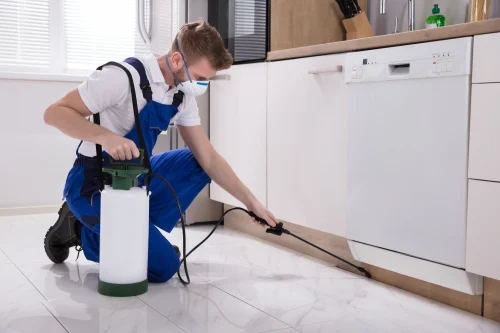
Termite treatment is not a one-size-fits-all process. Depending on the species, infestation location, and building conditions, options may include professionally applied products, baiting systems, localized treatments, or other methods suited to the situation.
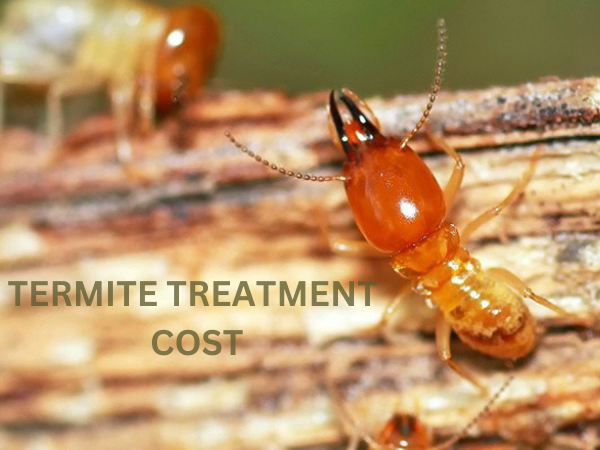
Subterranean termites and drywood termites behave differently, so a method that works for one type may not be appropriate for another. Professional termite pest control focuses on identifying the pest and selecting a treatment that addresses the actual source of activity.
If you’re comparing La Jolla termite control services, look for a provider who explains the proposed treatment, preparation requirements, safety precautions, and any recommended follow-up visits. It is also worth asking how results will be evaluated and whether additional monitoring is appropriate.
Remember that pest treatment and structural repair are separate steps. If an infestation has weakened beams, framing, or other wooden components, a qualified building professional may need to determine whether repairs are required.
Make Termite Prevention Part of Property Care
Protecting a home from termites is an ongoing responsibility rather than a task that ends after one inspection. Periodic checks, prompt moisture repairs, and attention to vulnerable wooden areas can help homeowners recognize changing conditions early.
Hume Termite helps property owners address termite concerns with professional inspection and pest control services. If you’ve noticed suspicious wood damage or simply want to understand your property’s exposure, getting an informed assessment is a sensible next step.
For assistance with La Jolla termite control, call Hume Termite at (760) 598-2201 to discuss your concerns. You can also contact the team online to ask about inspection and treatment options.
Taking action when warning signs appear can help you make informed decisions, manage termite activity, and protect the home you’ve worked hard to maintain.