
San Marcos Termite Inspection for Peace of Mind
November 13, 2026
Termites in Pacific Beach: Protecting the Wood Beneath Your Home
November 15, 2026
Mission Beach Termite Pest Control for Coastal Homes
Living near the coast has its perks, from refreshing ocean breezes to easy access to the beach. However, protecting a coastal property involves more than maintaining its exterior appearance. Moisture, aging wood, and concealed structural spaces can create conditions that deserve attention, especially when termites are involved.
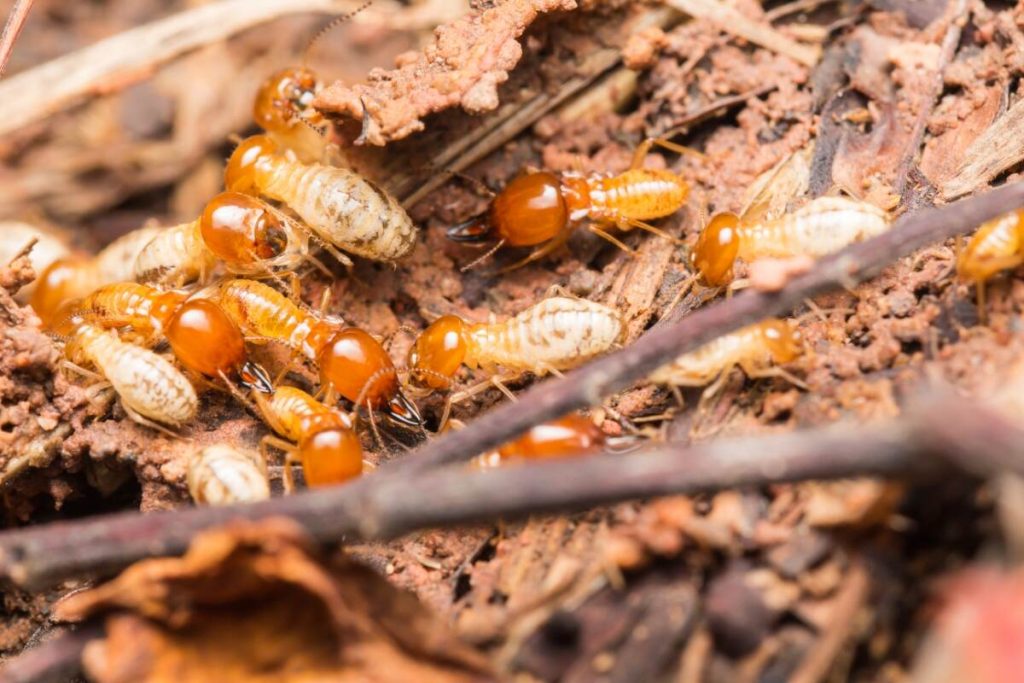
These insects can feed on wood inside walls, floors, and other parts of a building without attracting much notice at first. By the time visible damage appears, their activity may have been underway for some time. Professional Mission Beach termite pest control helps property owners investigate potential infestations and determine how to protect vulnerable areas of their homes.
Understand What Makes Termites Difficult to Spot
Termites generally avoid open, exposed areas and often remain hidden while feeding. Subterranean termites may travel through soil or protective mud tubes to reach wooden structures, while drywood termites can establish colonies inside suitable wood. Because their habits differ, identifying the type of termite is an important part of choosing an effective response.
Some warning signs include hollow-sounding timber, small piles of discarded wings, mud tubes along foundation surfaces, and wood that appears damaged without an obvious explanation. Doors or windows that suddenly become difficult to open may also deserve investigation, although humidity and ordinary wear can cause similar changes.
Rather than assuming that one symptom confirms an infestation, arrange a professional assessment when several suspicious signs appear. An experienced termite specialist can examine the evidence and help determine whether additional action is needed.
Why Coastal Property Owners Should Stay Alert
Properties near the coast experience changing environmental conditions throughout the year. Humidity, occasional heavy rainfall, plumbing leaks, and inadequate drainage can contribute to moisture problems around a building. Moisture alone does not prove that termites are present, but certain damp conditions can make areas more favorable to termite activity.
Check around outdoor faucets, gutters, foundation edges, wooden steps, and storage areas where water may collect. Inside the home, pay attention to cabinets beneath sinks, utility rooms, and spaces near plumbing connections.
Effective Mission Beach termite pest control starts with understanding the property’s particular risks instead of relying on a one-size-fits-all approach. Identifying moisture sources and vulnerable wooden materials can help guide both treatment decisions and practical maintenance improvements.
Inspection Comes Before Treatment
A thorough termite inspection helps establish whether an infestation is active, where evidence appears, and which areas may need closer attention. A professional may examine accessible framing, baseboards, garages, crawl spaces, and other locations where termites could leave signs.
The inspection findings guide the next steps. Some properties may need targeted termite treatment, while others could require a more extensive approach based on the species and location of the infestation. If damage is present, the inspector may also recommend further evaluation to determine whether affected wood needs repair or replacement.
When discussing Mission Beach termite pest control, ask the provider to explain what was found, what the recommended treatment is intended to accomplish, and whether follow-up visits or monitoring are appropriate. Understanding the process helps you make an informed decision about your property.
Reduce Conditions That Encourage Termite Activity
Professional termite control is important when an infestation exists, but routine maintenance can also help reduce certain risks. Start by fixing leaking pipes and outdoor faucets, cleaning gutters, and ensuring that water drains away from the foundation. Avoid allowing soil, mulch, or landscaping materials to cover areas that should remain visible for inspection.
Store firewood away from exterior walls and keep unused lumber off the ground where practical. Inspect wooden fences, planters, sheds, and steps periodically, especially where wood meets soil. These structures can be useful places to watch for changes, even if the main house appears unaffected.
Good maintenance does not guarantee that termites will never reach a property. However, reducing moisture problems and keeping vulnerable areas accessible can make inspections easier and help you notice warning signs sooner.
Take Action Before Damage Becomes Extensive
Termite problems can affect more than a few boards or a section of trim. If structural wood is compromised, repairs may become more involved, making early identification especially valuable. Avoid covering suspicious damage with paint or replacing affected wood before the source has been assessed, since those changes can make it harder to understand the extent of the problem.
If you have noticed unusual wood damage, discarded wings, or possible mud tubes, Mission Beach termite pest control can help you investigate the issue and explore suitable options.
Hume Termite provides termite services for property owners who need guidance on inspection and treatment. Call Hume Termite at (760) 598-2201 to discuss your concerns, or send an inquiry through the contact page to ask about available services.
Taking a proactive approach can help you understand your home’s condition, address termite activity when necessary, and protect your property for the long term.