Poway Termite Control Near Me for Smarter Home Protection
November 12, 2026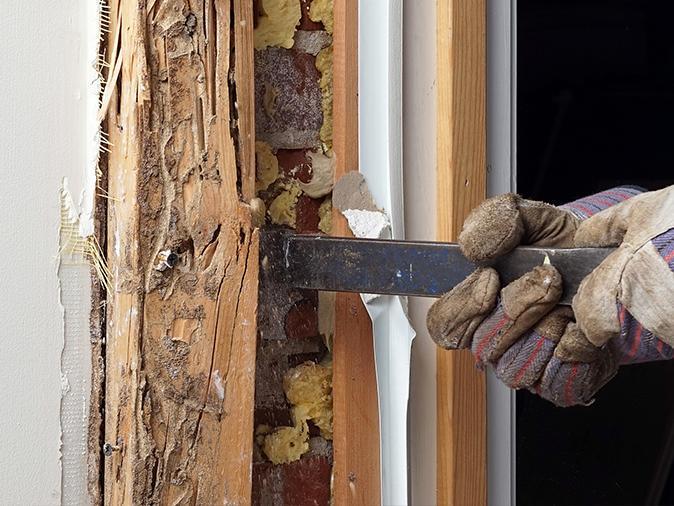
San Marcos Termite Inspection for Peace of Mind
Buying furniture, repainting a room, or updating a kitchen can make a home feel refreshed, but protecting the structure itself deserves just as much attention. Termites can quietly damage wooden materials behind walls, beneath floors, and inside other concealed spaces. Because their activity may go unnoticed for months, waiting until damage becomes obvious can mean missing an opportunity to address the problem early.
A professional San Marcos termite inspection helps homeowners understand whether termite activity or conditions that encourage infestations are present. Rather than relying on guesswork, an inspection provides useful information about the property’s condition and whether further action is recommended.
What an Inspector Looks For
Termites do not always leave obvious evidence on exposed surfaces. Some species remain hidden inside wood, while others travel through protected pathways to reach their food source. An inspection therefore involves looking beyond the areas where damage is easiest to see.
A trained inspector may examine accessible wooden framing, baseboards, garages, foundation edges, crawl spaces, and other locations where termite activity could occur. Mud tubes, discarded wings, hollow-sounding wood, and damaged timber can all be clues worth investigating.
Moisture conditions may also receive attention. Leaking pipes, poor drainage, and damp areas near a foundation can create conditions favorable to certain termites. Finding these concerns does not automatically mean a property has an infestation, but it can help homeowners understand where maintenance may be beneficial.
With a San Marcos termite inspection, the objective is to assess the available evidence and identify areas that may need further evaluation or treatment.
Why Small Signs Deserve a Closer Look
Homeowners sometimes dismiss a sticking door, peeling paint, or a soft patch in wooden trim as ordinary wear. These symptoms can have several causes, including changes in humidity, aging materials, or moisture damage. However, when they appear alongside other suspicious signs, a termite assessment may be worthwhile.
Winged insects appearing indoors can also raise questions. Termite swarmers are often confused with flying ants, but differences in their wings, antennae, and body shape can help distinguish them. If you find a cluster of discarded wings near a window or door, save a sample or take a clear photograph if possible, without disturbing a suspected colony.
A professional can help determine whether the evidence points to termites or another issue. Identifying the cause accurately is important because the appropriate response depends on what is actually affecting the home.
Inspections Help Guide the Right Treatment
Not every property with suspicious wood damage needs the same solution. Some findings may indicate active termites, while others may reflect old damage or a moisture-related problem. The treatment plan should be based on the inspection results rather than assumptions.
Subterranean termites generally live in soil and may enter structures through hidden routes. Drywood termites can establish colonies within suitable wood and may require a different control strategy. Recognizing the type of termite involved helps professionals select an appropriate method.
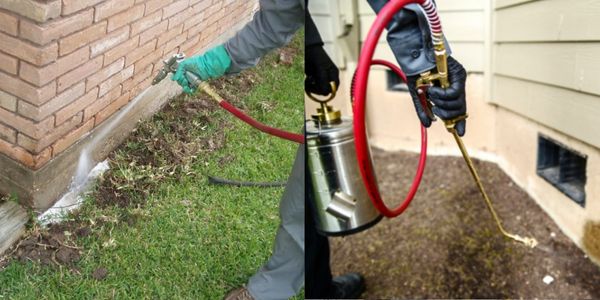
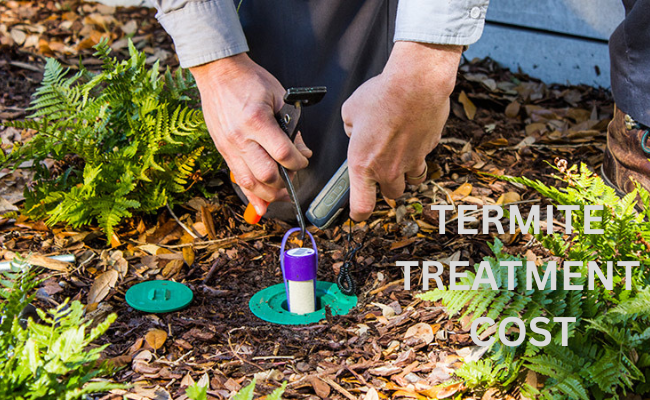
Depending on the circumstances, recommendations may include targeted treatment, baiting systems, further investigation, or repairs to damaged materials. A San Marcos termite inspection can help establish the information needed to make these decisions and explain whether follow-up monitoring is advisable.
Homeowners should ask what the findings mean, which areas were accessible, and whether any limitations affected the inspection. Clear answers make it easier to understand the property’s condition and plan the next steps.
Keep Moisture and Wood Problems Under Control
Although inspections are valuable, everyday maintenance also plays a role in reducing termite risks. Repair plumbing leaks promptly, keep gutters clear, and direct water away from the foundation. Avoid stacking firewood or excess lumber against exterior walls, and limit direct contact between untreated wood and soil wherever practical.
Pay attention to fences, wooden steps, sheds, and other outdoor structures as well. These areas may show signs of termite activity before homeowners notice anything inside the house.
Good maintenance cannot guarantee that termites will stay away, but it can reduce certain favorable conditions and make changes easier to spot. Periodic professional termite pest control assessments may also be useful when there is a history of activity or a specific concern about the property.
Make an Informed Decision About Your Home
Termite prevention is easier to manage when homeowners have reliable information about what is happening around their property. Whether you have noticed unusual wood damage, found discarded wings, or simply want a clearer picture of your home’s condition, arranging a San Marcos termite inspection can help you decide what action, if any, is appropriate.
Hume Termite offers termite services for property owners seeking guidance on inspection and treatment options. To discuss your concerns, call Hume Termite at (760) 598-2201. You can also contact the team online to ask about arranging an inspection.
Taking time to investigate early warning signs can help you address potential termite problems with greater confidence and protect the long-term condition of your home.