How to Choose the Best Termite Pest Control Company in San Marcos
August 7, 2025
Natural Termite Control in Pacific Beach: Is It Effective?
August 9, 2025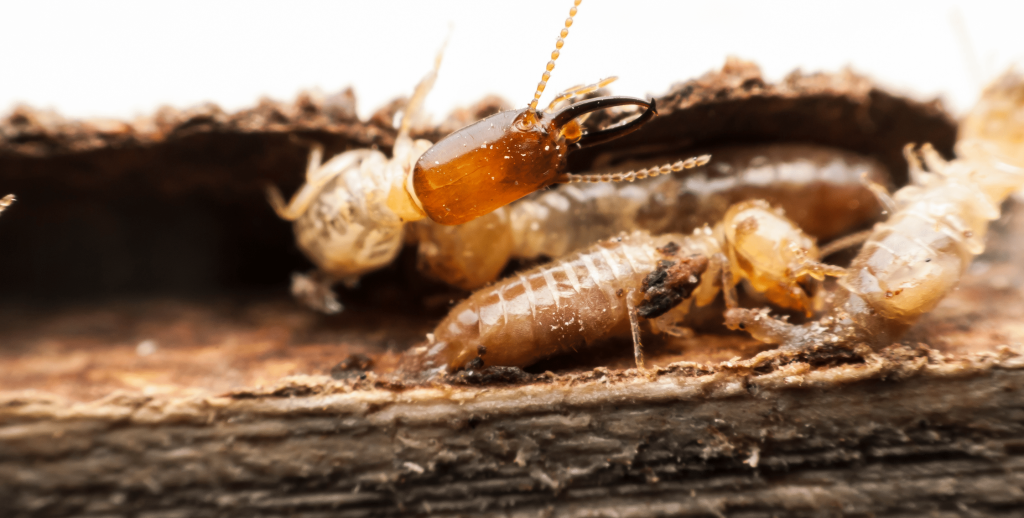
Termites may all seem the same to the untrained eye, but when it comes to protecting your property in Mission Beach, knowing the difference between subterranean and drywood termites is essential. Each species causes different types of damage, requires unique treatment approaches, and thrives in specific environments.
If you’re noticing signs of termites in Mission Beach, understanding which type has invaded your home can help you act quickly and choose the right solution before costly repairs pile up.
Subterranean Termites: Hidden and Aggressive
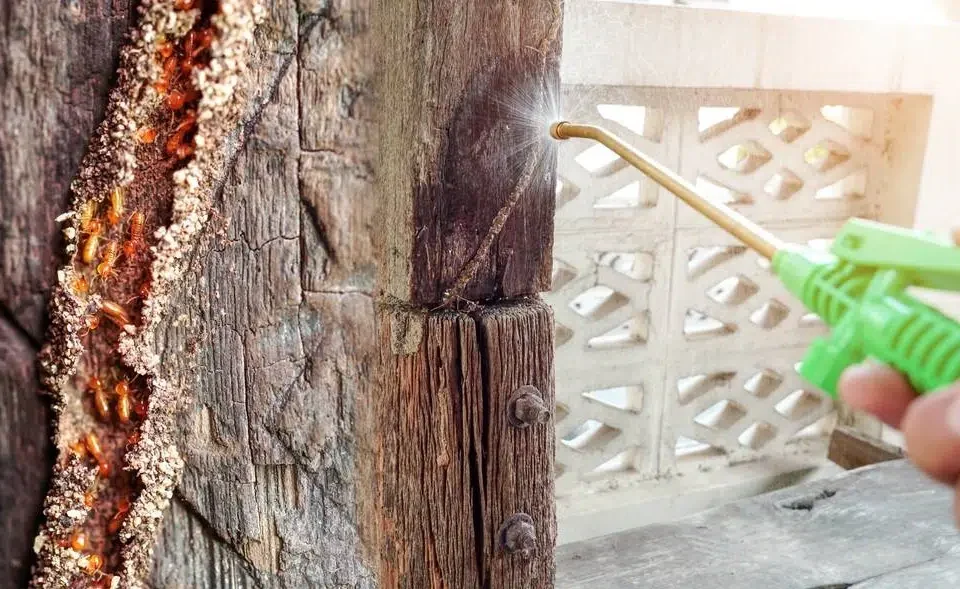
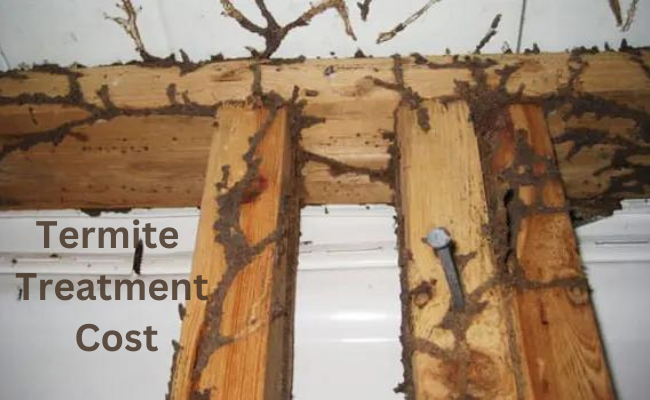
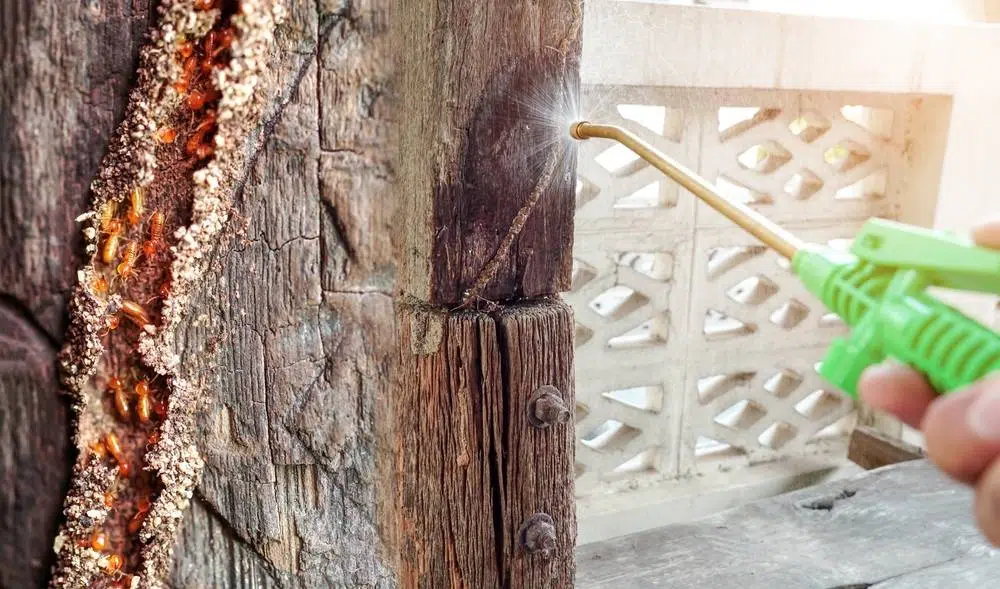
Subterranean termites are among the most destructive wood-destroying insects in Southern California. These termites live in underground colonies and need moisture to survive. They build mud tubes to reach above-ground wood and can cause significant structural damage before you’re even aware of their presence.
If you suspect subterranean termites in Mission Beach, look for signs such as:
- Mud tubes along your foundation or walls
- Hollow-sounding wood
- Peeling paint that resembles water damage
- Warped flooring or stuck windows
Because subterranean termites operate silently underground, infestations often go unnoticed until the damage becomes severe. They thrive in the coastal climate of Mission Beach, making regular inspections crucial.
Drywood Termites: Silent Invaders Inside Your Walls
Drywood termites don’t need contact with soil or moisture to survive. These pests infest dry wood, including attic beams, furniture, and even picture frames. Unlike subterranean termites, drywood colonies are much smaller, but they can still do considerable damage over time.
Signs of a drywood termite infestation include:
- Small piles of frass (termite droppings) that look like sawdust
- Tiny holes in wood surfaces
- Clicking or rustling sounds inside the walls
- Swarms of winged termites, particularly around lights at night
Drywood termites in Mission Beach are particularly troublesome in older beach homes with exposed wood, vintage furniture, or wooden trim. They can live deep inside structures, making detection and treatment challenging without professional help.
Why the Difference Matters
Knowing whether you’re dealing with subterranean or drywood termites in Mission Beach can help determine the most effective treatment.
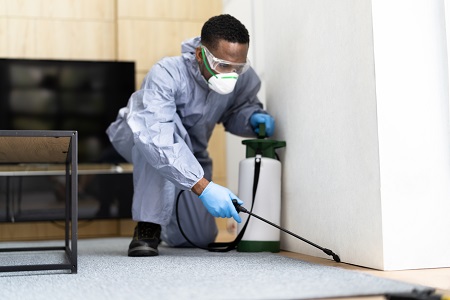
- Subterranean termite treatment often involves creating a liquid barrier in the soil, applying termiticide around the foundation, or using baiting systems to eliminate colonies.
- Drywood termite treatment may require localized wood treatments, fumigation, or heat treatments, depending on the extent and location of the infestation.
Choosing the wrong treatment can leave colonies intact and allow the infestation to continue. That’s why a professional inspection is the most important first step.
Preventing Termite Infestations in Mission Beach
Due to its coastal location and warm climate, Mission Beach is a hotspot for termite activity. Whether you’re a homeowner or property manager, prevention is key to protecting your investment.
- Seal cracks in your home’s foundation and exterior walls
- Reduce wood-to-soil contact around the house
- Store firewood away from the home
- Schedule regular termite inspections
Early detection can save you thousands in repairs and help maintain your property’s value and safety.
Call Hume Termite for Expert Help
If you’ve spotted signs of termites in Mission Beach or simply want peace of mind, call the experts at Hume Termite. Their trained professionals can identify the type of termite, assess the damage, and recommend a customized treatment plan that gets results.
Don’t wait for termites to cause serious damage. Contact Hume Termite today at (760) 598-2201 or schedule a free inspection through this form. Protect your Mission Beach property with experienced, reliable care.