
Del Mar Termite Pest Control: Balancing Prevention and Precision in Coastal Protection
April 26, 2026
Solana Beach Termite Control: Moisture Management and Prevention for Lasting Home Protection
April 28, 2026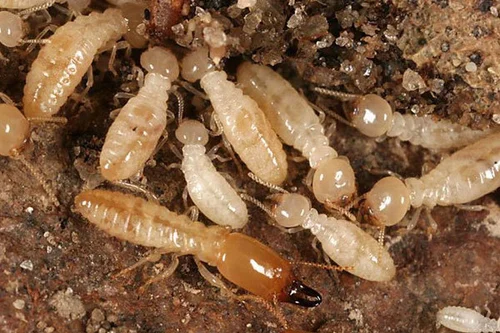
Why Large Estates Are Vulnerable to Termites in Rancho Santa Fe: Understanding the Hidden Risks Behind Luxury Properties
Large estates are often seen as the pinnacle of comfort, privacy, and architectural excellence. Expansive layouts, custom woodwork, guest houses, and landscaped grounds all contribute to their appeal. However, these same features also create an ideal environment for one of the most destructive pests in Southern California. Understanding why large estates are vulnerable to termites in Rancho Santa Fe is essential for protecting high-value properties from long-term structural damage.
The Scale of the Property Creates More Entry Points
One of the main reasons termites in Rancho Santa Fe are so common in estate properties is simply size. Larger homes naturally have more structural joints, wood framing, and hidden access points where termites can enter unnoticed.
Crawl spaces, detached structures, outdoor wooden features, and multi-level foundations all increase the number of vulnerable zones. Unlike smaller homes, estates require far more extensive monitoring, making professional termite inspection a critical part of ongoing maintenance.
Termite specialists often find that infestations in large properties go undetected longer because damage spreads across multiple areas before becoming visible.
Landscaping and Irrigation Increase Moisture Risks
Luxury estates in Rancho Santa Fe typically feature elaborate landscaping designs, including irrigation systems, decorative gardens, and shaded outdoor living spaces. While visually stunning, these features can unintentionally create moisture-rich environments that attract termites in Rancho Santa Fe.
Moist soil near foundations, overwatered garden beds, and poor drainage around retaining walls all provide ideal conditions for subterranean termite colonies. Once established, termites can easily migrate from outdoor soil into the wooden framework of a home.
This is why effective termite control must always include an evaluation of both the structure and its surrounding environment.
High-Value Wood Materials Are Especially At Risk
Many estate homes use premium wood materials in their construction—custom cabinetry, exposed beams, hardwood flooring, and intricate trim work. While these features add elegance and value, they also serve as a major food source for termites.
Unlike synthetic materials, wood provides the cellulose termites need to survive. Once they gain access, they can quietly compromise structural integrity over time.
In properties where termites in Rancho Santa Fe are present, damage often begins in decorative or hidden wooden elements before spreading to load-bearing structures. This makes early detection through professional termite inspection extremely important.
Larger Structures Make Detection More Difficult
One of the biggest challenges in termite pest control for estates is detection. The sheer size and complexity of these homes allow termites to remain hidden for long periods.
Attics, subfloors, wall voids, and detached guest houses can all harbor separate colonies or infestation zones. Without trained termite experts, these areas are often overlooked during routine maintenance.
That is why regular inspections are essential. Professional termite specialists use advanced tools to detect moisture anomalies, hollow wood, and hidden mud tubes that indicate activity from termites in Rancho Santa Fe.
Delayed Detection Leads to Greater Damage
In smaller homes, termite infestations are often discovered more quickly simply due to limited space. In contrast, large estates may allow termites to spread undetected for months or even years.
By the time visible signs appear—such as sagging wood, peeling paint, or hollow flooring—the damage is often widespread. This increases both repair costs and structural risk.
Effective termite treatment must therefore focus not only on eliminating active colonies but also on identifying hidden zones where termites in Rancho Santa Fe may still be present.
Integrated Termite Control Is Essential for Estates
Because of their complexity, large properties require a comprehensive approach to termite control. This includes preventative measures, ongoing monitoring, and corrective termite pest control treatments when necessary.
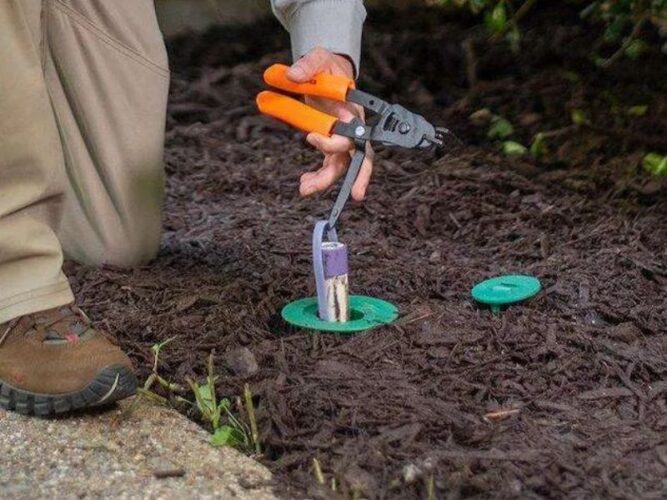
Preventative strategies may involve moisture management, sealing foundation gaps, and treating soil around the perimeter. Corrective treatments target active infestations using localized or full-structure solutions depending on severity.
A well-designed termite control plan ensures that every part of the property is protected, not just the areas where damage is visible.
Protecting Long-Term Property Value
Estates in Rancho Santa Fe represent significant financial and architectural investments. Protecting them from termite damage is not just about maintenance—it’s about preserving long-term value.
Unchecked infestations of termites in Rancho Santa Fe can weaken structural integrity and reduce property value significantly. Regular termite inspection and proactive treatment help ensure that these high-end homes remain safe, stable, and valuable.
Taking a Proactive Approach to Protection
The most effective defense against termites is early action. Waiting until damage becomes visible often means the infestation has already spread. Routine inspections by experienced termite specialists provide the best chance of detecting issues early.
Homeowners who prioritize prevention benefit from fewer repairs, lower long-term costs, and greater peace of mind.
If you suspect activity or want to safeguard your estate, professional help is the most reliable solution. Contact Hume Termite at (760) 598-2201 or visit their contact page to schedule an inspection.
Their experienced team provides expert termite pest control solutions tailored to large estate properties and their unique challenges.