Termite Inspection in Escondido: Spotting Hidden Problems Before They Spread
September 11, 2026
Termite Pest Control in Poway: Building a Smarter Defense Against Termites
Termites do not need much space to establish a foothold, and they rarely announce their presence when they arrive. Hidden behind walls, beneath flooring, or within wooden structures, these pests can gradually affect parts of a property before a homeowner notices obvious signs. A proactive approach to termite pest control in Poway can help property owners identify risks early and take appropriate steps to protect their investment.
Why Termites Deserve Attention
Termites feed on cellulose, which is found in many types of wood and plant-based materials. Once they establish a colony near or within a structure, they can continue searching for accessible food sources.
Because much of their activity occurs out of sight, simply looking around a home may not be enough to determine whether termites are present. Small clues such as mud tubes, discarded wings, hollow-sounding wood, or unexplained wood damage may warrant closer investigation.
Professional termite control focuses on more than treating visible insects. It involves understanding where activity may be occurring and what conditions could allow termites to continue accessing the property.
Know the Conditions That May Attract Activity
Certain conditions around a property can make termite prevention more challenging. Persistent moisture, wood-to-soil contact, poor drainage, and areas of concealed wood can create opportunities for termites to find suitable conditions.
Homeowners can reduce some risks by keeping gutters clear, addressing plumbing leaks, improving drainage where needed, and avoiding unnecessary contact between untreated wood and soil.
These steps are not a substitute for professional termite services, but they can complement an overall prevention strategy.
When homeowners invest in termite pest control in Poway, discussing property-specific risk factors with termite experts can help create a more practical approach to long-term protection.
An Inspection Provides Useful Information
A professional termite inspection can reveal conditions that are easy to overlook during an ordinary home walkthrough. An inspector may examine accessible structural areas, crawl spaces, foundations, garages, attics, and other locations where evidence of termite activity may be found.
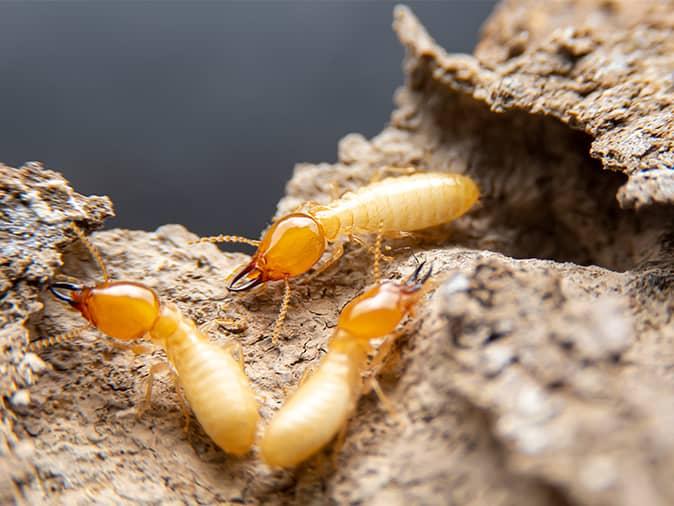
The inspection may look for live termites, shelter tubes, droppings, wings, damaged wood, and other indicators. The findings can help determine whether activity appears current, whether damage may be older, and whether additional evaluation is appropriate.
This information is valuable because treatment decisions should be based on the actual condition of the property rather than assumptions.
Visible Damage Does Not Tell the Whole Story
One of the challenges with termites is that visible damage may represent only a portion of the affected area. A damaged section of trim, flooring, or wood framing may draw attention to a problem that extends beyond what can be seen.
Conversely, not every damaged piece of wood means there is an active infestation. Moisture, age, previous pest activity, and other factors can contribute to deterioration.
Experienced termite experts can evaluate these details and explain what the evidence may indicate. A professional assessment can help homeowners distinguish between current activity and signs of an older issue.
Treatment Should Match the Property
There is no single approach that is ideal for every termite situation. The appropriate termite treatment depends on factors such as the species involved, where activity is located, the property’s construction, and the extent of the infestation.
A qualified pest professional can discuss available treatment methods and explain how they are intended to address the problem.
The objective should be more than eliminating termites that happen to be visible. Effective termite management considers the colony, access points, and conditions that may contribute to future activity.
For homeowners considering termite pest control in Poway, asking how a recommended treatment addresses the specific circumstances of the property can provide valuable clarity.
Don’t Wait for Major Signs
Many homeowners associate termite problems with obvious structural damage, but waiting for severe signs can mean waiting too long. Regular inspections and awareness of potential warning signs may help identify concerns earlier.
If you notice mud tubes, discarded wings, unexplained wood damage, or areas of moisture near wooden structures, consider having the property evaluated.
Even when termites are not found, an inspection can provide useful information about conditions that may increase vulnerability.
Protect Your Property With a Proactive Approach
Termite prevention is an ongoing part of responsible property maintenance. Combining good home maintenance with professional inspections and appropriate treatment can help homeowners stay ahead of potential infestations.
If you’re looking for termite pest control in Poway, Hume Termite can evaluate your property and help you understand the most appropriate next steps. Call (760) 598-2201 or contact the termite experts to request professional assistance.
Taking action before termite activity becomes a larger concern can help you protect your home while making pest management a more manageable part of property care.