Vista Termite Pest Control: What Homeowners Need to Know About Silent Structural Damage
June 28, 2026
Carlsbad Termite Control: How Small Warning Signs Turn Into Big Home Repairs
June 30, 2026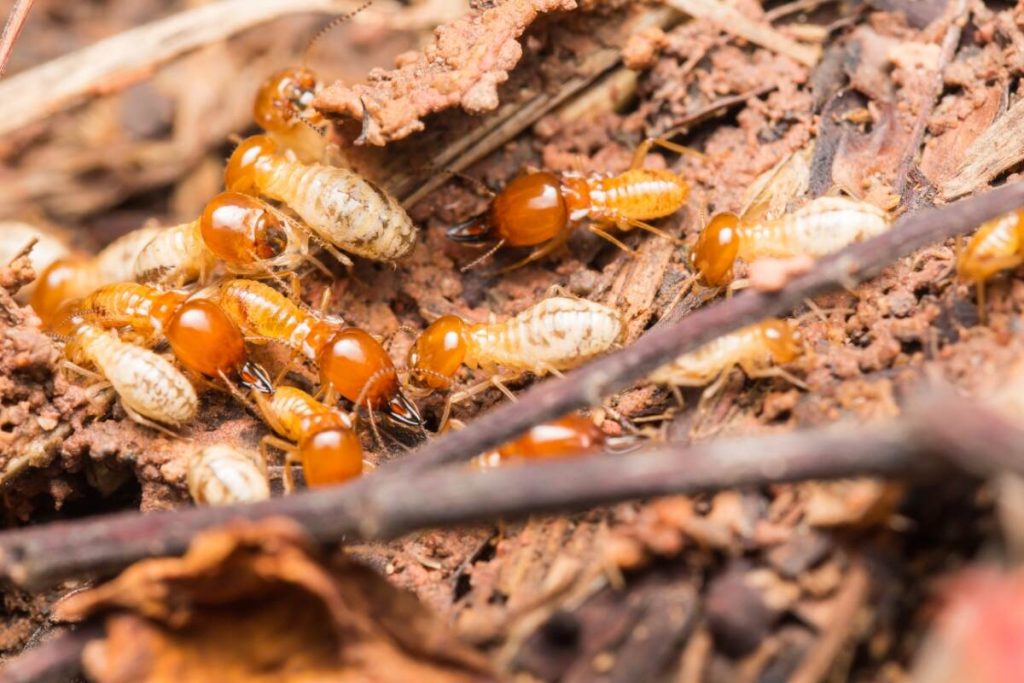
Why Oceanside Termites Are Harder to Control Than Most Homeowners Expect
Not all termite problems behave the same way, and coastal areas like Oceanside tend to present a unique challenge. Many homeowners assume termite issues are straightforward—find them, treat them, and move on. In reality, Oceanside termites often behave in ways that make them harder to detect, harder to eliminate, and easier to underestimate.
Understanding why this happens can help homeowners take more effective steps before structural damage becomes serious.
Coastal Living Creates the Perfect Conditions
Oceanside’s environment plays a major role in termite activity. The mix of ocean moisture, consistent temperatures, and irrigated landscaping creates ideal conditions for colonies to survive year-round.
Unlike colder regions where termite activity slows down seasonally, Oceanside termites remain active almost continuously. This constant activity means infestations can grow unnoticed for longer periods, especially in homes with shaded areas, crawl spaces, or wood exposed to moisture.
Even well-maintained properties are not immune because termites don’t require visible decay—they only need access to cellulose materials like wood.
Why Detection Is Often Delayed
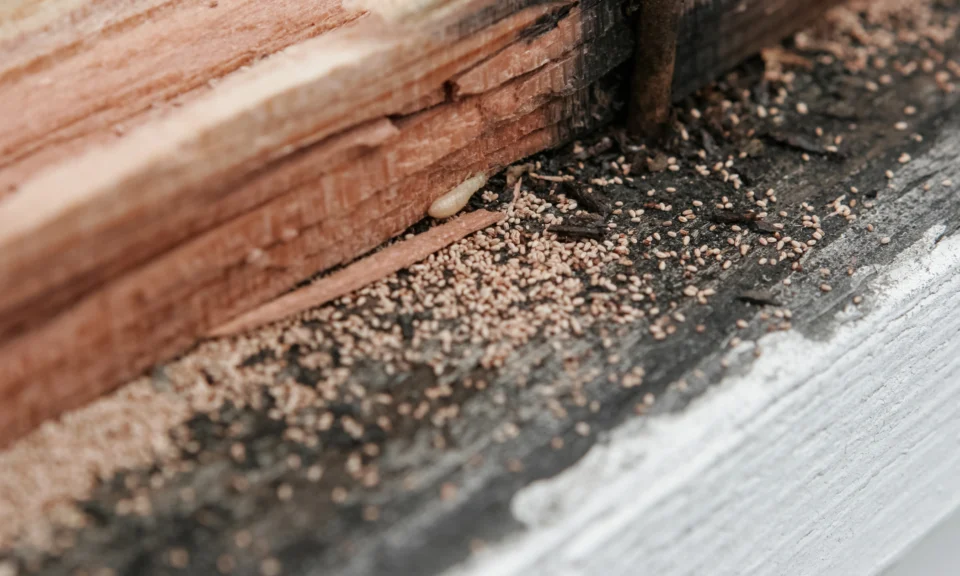
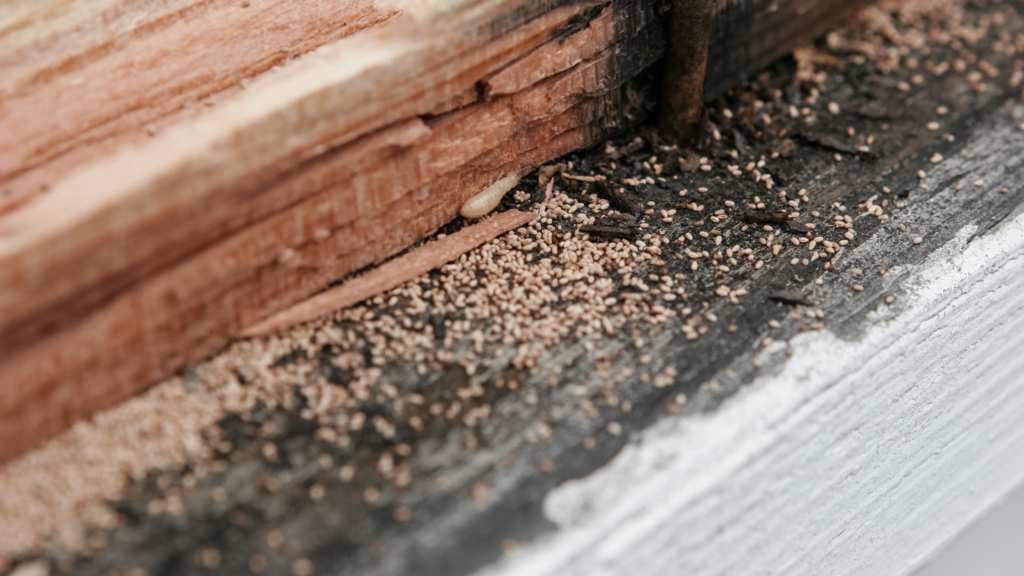
One of the biggest challenges with Oceanside termites is how quietly they operate. Instead of feeding on visible surfaces, they tunnel through internal wood structures, leaving the outer layer intact until damage becomes advanced.
This hidden behavior leads many homeowners to discover the problem only after noticeable signs appear, such as uneven flooring, hollow-sounding wood, or doors and windows that suddenly begin sticking.
By the time these symptoms show up, the infestation has often been active for a significant period.
The Misleading Nature of Early Signs
Even when warning signs do appear, they are often misinterpreted or overlooked. A small mud tube along a foundation might not seem urgent. A faint clicking sound inside the walls may go unnoticed. Slight paint bubbling might be assumed to be moisture-related.
These subtle indicators are commonly associated with Oceanside termites, yet they rarely prompt immediate action from homeowners. This delay allows colonies to expand further into structural framing and support systems.
Why DIY Solutions Rarely Work Long-Term
Store-bought sprays or surface treatments may kill visible termites, but they rarely address the colony itself. Termites live deep within soil or hidden structural voids, far beyond the reach of basic treatment methods.
Because Oceanside termites often establish multiple access points around a home, eliminating one area of activity does not stop the entire infestation. Without professional inspection and targeted treatment, colonies can continue feeding and expanding in other parts of the structure.
The Importance of Understanding Colony Behavior
Termite colonies are highly organized systems with distinct roles. Worker termites continuously search for food sources, soldiers protect the colony, and reproductive termites expand it.
This structure is what makes Oceanside termites so resilient. Even if part of a colony is disturbed, the rest can continue functioning and rebuilding. Effective control requires disrupting the entire system, not just the visible activity.
Why Inspections Reveal What Homeowners Miss
A professional termite inspection is designed to uncover hidden activity that isn’t visible during normal home checks. Technicians examine moisture-prone areas, structural wood, foundation lines, and any conditions that could support infestation.
With Oceanside termites, inspections often reveal signs that have been developing quietly for months. These may include internal wood damage, soil tunnels, or areas where moisture has created entry points into the home.
Early detection through inspection is one of the most effective ways to prevent costly repairs.
Treatment Must Match the Environment
Because Oceanside conditions support ongoing termite activity, treatment strategies need to be tailored carefully. A one-size-fits-all approach rarely works.
Depending on the situation, termite control may involve soil treatments, targeted applications, or baiting systems designed to eliminate colonies over time. The goal is not just to remove visible activity but to break the reproductive cycle that keeps Oceanside termites active in the area.
Why Prevention Matters as Much as Treatment
Even after treatment is completed, the environmental conditions that attract termites still exist. That’s why prevention plays a major role in long-term protection.
Homeowners can reduce risk by addressing moisture issues, improving drainage, sealing wood-to-soil contact points, and maintaining proper ventilation in crawl spaces. Regular inspections also help ensure that new activity is detected early.
Without preventive steps, Oceanside termites can return and re-establish colonies over time.
The Real Risk: Structural Damage Over Time
The most serious issue with termites isn’t their presence—it’s the damage they cause while remaining hidden. Wood can lose strength gradually, often without any visible exterior signs, until failure begins to occur.
This slow progression is what makes Oceanside termites particularly dangerous. By the time structural damage is noticeable, repairs can become significantly more complex and expensive.
Get Professional Help Before Damage Spreads
Termite problems are always easier to manage when caught early. If you suspect activity or want a professional evaluation, working with experienced specialists is the safest approach.
Hume Termite provides thorough inspections, effective treatment options, and prevention strategies designed for coastal conditions like Oceanside.
Call (760) 598-2201 or visit to book your inspection to connect with a local team that understands how to manage Oceanside termites before they cause lasting damage.