
Termite Pest Control in San Marcos: Protecting Wood Structures Year-Round
May 3, 2026
Pacific Beach Termite Control: Preventing Costly Damage Before It Starts
May 5, 2026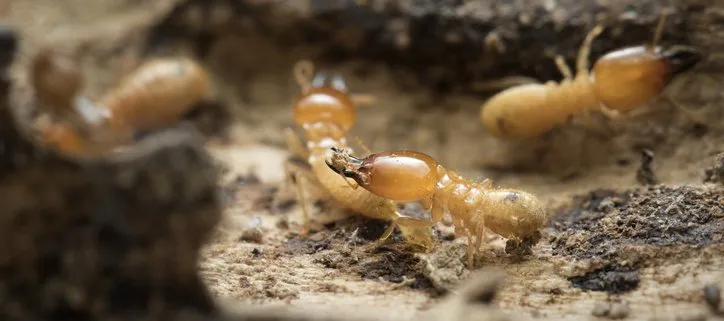
Coastal Conditions That Attract Termites in Mission Beach: What Homeowners Need to Know
Living near the ocean comes with undeniable perks—cool breezes, scenic views, and a relaxed lifestyle. But in Mission Beach, coastal beauty also brings hidden challenges for homeowners. One of the most persistent threats is termite activity. Understanding Coastal Conditions That Attract Termites in Mission Beach is key to protecting homes from long-term structural damage.
Why Coastal Environments Encourage Termite Activity
Oceanfront and coastal neighborhoods naturally create the perfect storm for termite activity. Moisture in the air, salt exposure, and warm temperatures all contribute to conditions where wood-destroying insects thrive.
In areas like Mission Beach, termites in Mission Beach are especially active because humidity softens wood and makes it easier for colonies to feed and expand. Unlike dry inland regions, coastal properties rarely experience long periods of low moisture, which means termites can remain active year-round.
This constant environmental support makes professional termite pest control a necessity rather than an occasional service.
Moisture: The Biggest Attraction for Termites
Moisture is one of the strongest factors that draws termites into coastal homes. In Mission Beach, homes are frequently exposed to ocean air, morning fog, and occasional rain, all of which increase humidity levels around structures.
Leaky pipes, poorly ventilated crawl spaces, and damp wood near foundations further amplify the risk. Once moisture is present, termites in Mission Beach can easily establish colonies and begin feeding on structural wood.
This is why termite inspection often focuses heavily on moisture-prone areas. Termite specialists look for early warning signs such as soft wood, bubbling paint, and mud tubes that indicate hidden activity.
Salt Air and Wood Degradation
While salt air is not a direct food source for termites, it contributes indirectly to infestations by weakening wooden structures over time. Continuous exposure to salty coastal air can cause wood to degrade faster, making it more vulnerable to termite entry.
Decks, exterior beams, and window frames in beachfront properties often show early signs of wear. Once compromised, these areas become easy access points for termites in Mission Beach.
Professional termite control strategies take this into account by reinforcing and protecting exposed wood surfaces before infestations begin.
Landscaping and Soil Contact Risks
Coastal landscaping often includes lush gardens, decorative wood fencing, and irrigation systems designed to maintain greenery in sandy soil. While visually appealing, these features can unintentionally create ideal conditions for termites.
Wood that comes into direct contact with soil is especially at risk. Subterranean termites can travel from the ground into structures without being seen, making this one of the most common entry points.
In Mission Beach, termites frequently originate from garden beds, retaining walls, or improperly maintained outdoor structures.
A thorough termite inspection will often include checking these exterior areas to ensure there are no hidden pathways leading into the home.
How Termites Spread in Coastal Homes
Once termites gain access, they can spread quickly through interconnected wooden structures. In coastal homes, open layouts and extended outdoor living spaces provide even more opportunities for movement.
Crawl spaces, attics, and shared wall systems allow colonies to expand undetected. Because termites in Mission Beach often remain hidden behind walls or beneath flooring, damage may not become visible until it is already severe.
This is why early detection and ongoing termite pest control are so important in coastal environments.
The Importance of Routine Inspections
Regular termite inspection is one of the most effective ways to prevent costly damage. Professional termite experts know how to identify subtle signs of activity that homeowners may overlook.
In coastal regions like Mission Beach, inspections are typically recommended more frequently due to higher humidity and environmental exposure. Early detection allows for targeted termite treatment before colonies grow large enough to compromise structural integrity.
Consistent monitoring ensures that termites in Mission Beach are identified and eliminated before they can spread further.
Effective Treatment and Long-Term Protection
When termites are detected, prompt treatment is essential. Modern termite control methods are designed to eliminate active colonies while also preventing future infestations.
Depending on the severity, termite specialists may use localized treatments or broader termite pest control strategies that protect the entire structure. The goal is not only to remove existing termites but also to create a protective barrier against re-entry.
In coastal areas, long-term prevention is just as important as treatment, especially where environmental conditions continuously support termite activity.
Protecting Your Coastal Property Investment
Homes in Mission Beach are valuable investments, and protecting them from termite damage is essential for maintaining their structural and financial worth. Ignoring early warning signs can lead to expensive repairs and long-term deterioration.
Understanding termites in Mission Beach and how coastal conditions contribute to their spread helps homeowners take proactive steps toward protection.
Take Action Before Damage Occurs
If you suspect termite activity or want to protect your coastal home, professional help is the most reliable solution. Hume Termite provides expert inspections and customized termite control solutions designed for coastal environments.
Call (760) 598-2201 or visit their contact page to schedule an inspection today.
Their experienced termite specialists deliver effective termite pest control strategies to keep Mission Beach homes safe year-round.