
Ways to Save on Termite Treatment Cost in Pacific Beach Without Cutting Corners
October 10, 2025
Why Real Estate Agents Recommend Termite Control Near Me in Del Mar
October 12, 2025
How Weather Conditions Affect Termite Treatment in La Jolla
La Jolla’s coastal charm comes with plenty of perks—beautiful ocean views, perfect surf, and mild year-round weather. But for homeowners, this paradise can also come with a hidden challenge: termites. The same climate that keeps locals comfortable also creates ideal conditions for these pests to thrive. What many don’t realize is that weather conditions can significantly impact termite treatment in La Jolla, both in terms of timing and effectiveness.
Let’s explore how La Jolla’s weather patterns—humidity, rain, and heat—can influence termite activity and the results of professional termite control.
1. Warm Weather = Termite Breeding Season
Termites are most active in warm temperatures, typically between 75°F and 95°F. In La Jolla, that means they can stay busy almost year-round. During the spring and summer months, termite colonies grow faster, and swarming (the mating flight of reproductive termites) becomes common.
If you’re scheduling termite treatment in La Jolla during this period, it’s actually a great time to act. Termite specialists can more easily locate active colonies and eliminate them before they expand further. However, it also means you’ll need to stay vigilant—because termites reproduce rapidly when the weather is on their side.
2. Moisture and Rain Create Termite-Friendly Conditions
While La Jolla doesn’t get heavy rainfall compared to inland areas, the occasional showers and coastal humidity provide enough moisture for termites to flourish. Subterranean termites, in particular, need moisture to survive and build mud tubes that connect them to food sources (like your home’s wooden structure).
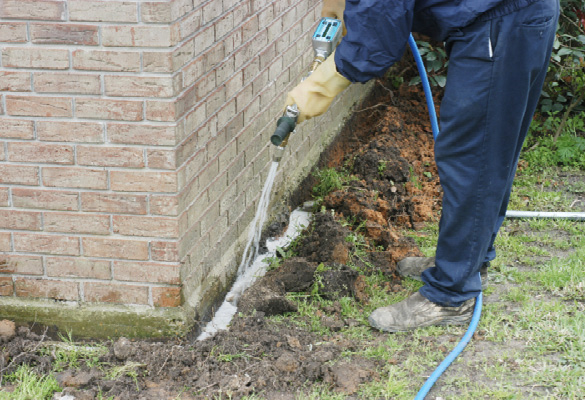
After a rainy spell, termites often become more active. This makes it a key time for inspections. The moisture can also impact certain types of termite treatment in La Jolla—for example, soil treatments or liquid barriers may need to be reapplied if the ground becomes oversaturated. Professional termite experts know how to adjust the treatment method to maintain effectiveness despite wet conditions.
3. Cool Coastal Breezes Slow Down Chemical Penetration
La Jolla’s cool ocean breezes help make the area pleasant for residents, but they can slightly delay how fast certain treatment chemicals spread and dry. That’s why experienced termite specialists choose formulations designed for coastal climates. These products are tested to remain potent even in mild, humid, or breezy environments.
If you’re scheduling fumigation or heat treatment, calm weather days are preferred. Windy conditions can make containment more difficult, which is why termite control companies carefully monitor forecasts before beginning a job.
4. Dry Spells Encourage Termites to Move Indoors
Interestingly, during extremely dry conditions, termites seek out moisture inside homes. Even a tiny plumbing leak or condensation around your foundation can attract them. If you notice unusual signs during dry spells—like discarded wings or hollow-sounding wood—it could mean termites are migrating from outdoor colonies to your home.
Scheduling termite treatment in La Jolla during the drier months can be advantageous because treatments last longer when there’s less chance of rain washing away applied products. Many homeowners also prefer this timing for convenience, as it often aligns with regular home maintenance schedules.
5. Seasonal Timing Can Influence Costs and Scheduling
Because termite activity fluctuates with the weather, so does demand for termite services. During peak seasons—typically late spring and early summer—appointments can fill up quickly. If you plan ahead and book during off-peak times (like early spring or late fall), you might find better availability and possibly even lower service costs.
Still, timing should never outweigh urgency. If you notice active termites, waiting for “better weather” can backfire. Immediate action ensures you minimize damage and avoid more expensive structural repairs.
6. Coastal Factors: Salt Air and Termite Behavior
La Jolla’s salty ocean air doesn’t bother termites much—but it can slightly affect wood quality over time, especially in homes near the beach. As salt subtly degrades wood surfaces, it makes them easier for termites to penetrate. For this reason, many termite control professionals recommend more frequent inspections for beachfront homes.
The best termite treatment in La Jolla accounts for these local conditions, using materials and methods that stay effective despite the area’s unique environment.
Protect Your La Jolla Home Year-Round
Whether it’s a humid morning or a cool ocean breeze, La Jolla’s weather shapes how termites behave—and how professionals approach treatment. Working with experts who understand these local nuances ensures that your home stays protected, no matter the season.
At Hume Termite, our team specializes in coastal termite control solutions designed specifically for homes in La Jolla. We consider weather conditions, local termite species, and your home’s structure to create treatments that work effectively and last longer. Don’t let the climate give termites the upper hand—protect your investment with expert care.
Call Hume Termite today at (760) 598-2201, or schedule your inspection through our contact page to learn more about effective, weather-smart termite protection for your home.